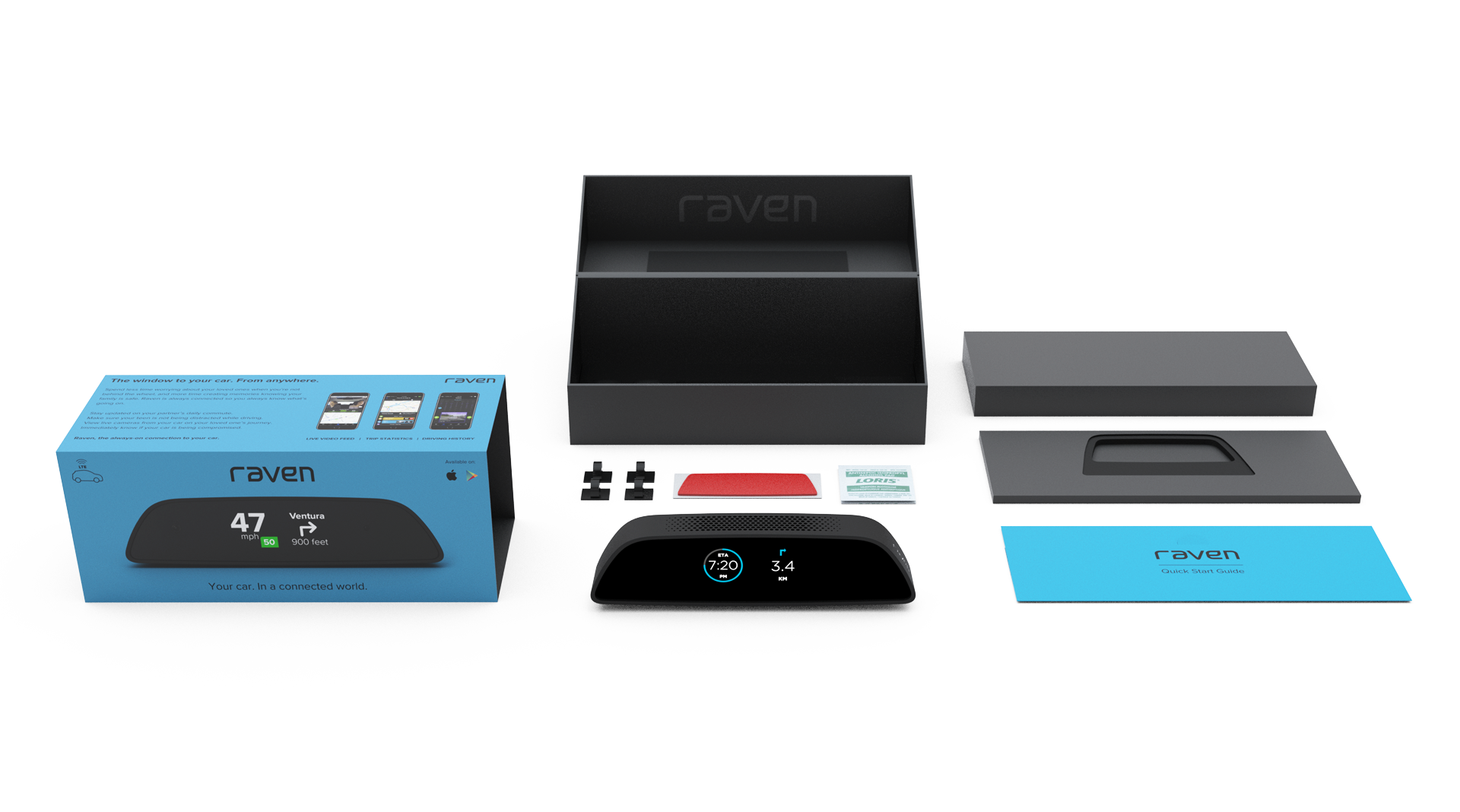
Stage 1: Research and Familiarization
We start every project by reviewing design objectives with our client and creating a concise project brief. Typically we sign a non-disclosure agreement (NDA) so our clients are able to speak freely about their product idea. Once enough information has been gathered, we create a schedule and budget proposal. We research competitive and comparable products, and any other relevant materials that could provide insights for innovation. At the end of this stage of the process, we deliver an annotated PDF presentation to our client that summarizes our research and identifies key areas of focus for conceptual exploration.
Stage 2: Concept
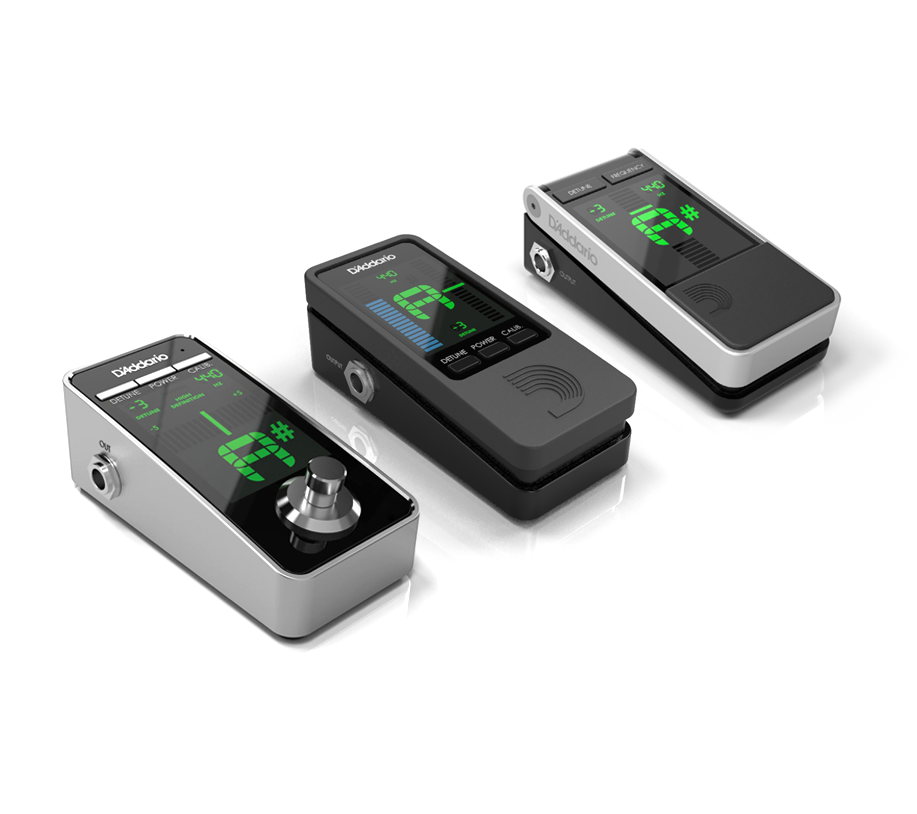
After identifying key areas to explore, we propose preliminary concept design options for the physical design of the product. We explore variations of form, internal component layout, materials, user touch points, graphics placement and any other pertinent product features. We plan a basic assembly strategy and provide photorealistic renderings along with annotated images to show updated product features.
Stage 3: Design Definition
In this stage, we focus on a concept from stage 2 and develop all mechanical design related solutions (ie.“all issues addressed”). Working closely with our electronics engineering partners, we begin to integrate internal components such as batteries, displays, and PCBs. At this point in the process, it is important to create and evaluate prototypes made from a variety of processes – including our own in house 3D printing. Detailed 3D CAD and documentation for all components is defined so that we can begin to engage with manufacturers.
Stage 4: Design For Manufacturing
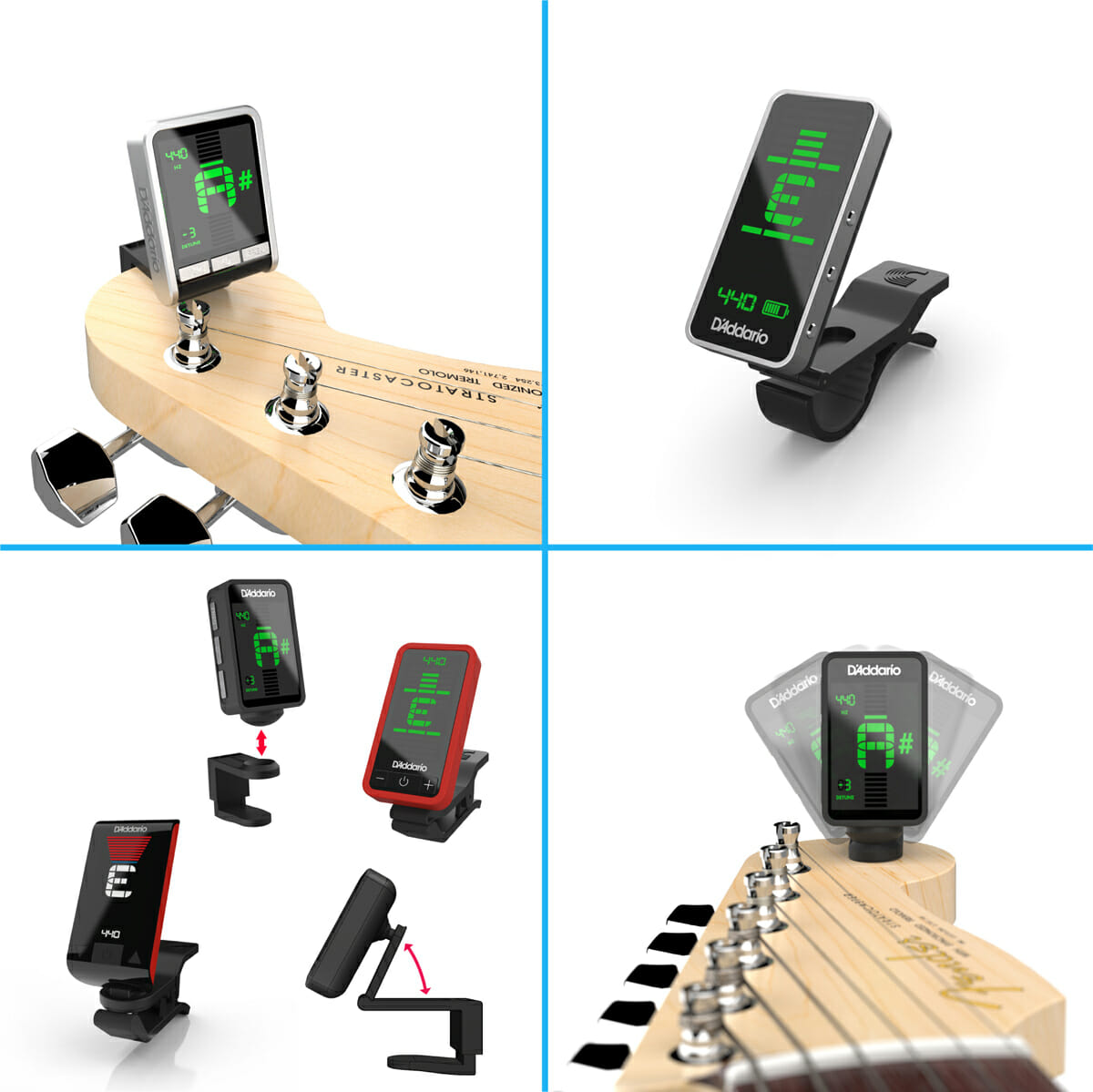
In this stage, the design is updated based on lessons learned from prototypes and input from manufacturers. Also, we develop details related to the manufacturing process, such as draft for injection molded parts, assembly features and instructions, general dimensioning and tolerancing, and 2D control documentation. Finally, we create documentation for all colours, materials, and finish specifications and artwork for product graphics. As production begins, we review samples and update part drawings as needed.
Marketing Support
As a project progresses, we often support our clients’ marketing efforts with packaging design, quick-start guides, and product images. We do whatever it takes to ensure the product makes a great first impression when launched.